Alright, parents, lah! Primary 4. It's not just another year in primary school; it's where things start to get real. Your child is navigating bigger concepts, more complex problem-solving, and a whole new level of independence in their learning journey. And let’s be honest, in Singapore, doing well in school is like a national sport, right? In the city-state's rigorous education system, parents fulfill a crucial part in leading their kids through milestone assessments that influence academic futures, from the Primary School Leaving Examination (PSLE) which examines foundational abilities in subjects like math and science, to the GCE O-Level exams focusing on high school expertise in multiple subjects. As learners move forward, the GCE A-Level tests necessitate advanced critical abilities and topic command, commonly deciding higher education placements and occupational trajectories. To keep knowledgeable on all facets of these national evaluations, parents should check out formal information on Singapore test papers provided by the Singapore Examinations and Assessment Board (SEAB). This ensures entry to the most recent syllabi, assessment timetables, sign-up specifics, and instructions that correspond with Ministry of Education standards. Consistently checking SEAB can aid households prepare successfully, lessen uncertainties, and back their offspring in reaching top results during the challenging landscape.. We all want our kids to have the best start possible.
Why is Primary 4 such a big deal? Because it's a pivotal year for building a strong foundation, especially in subjects like Mathematics. Think about it: math isn't just about numbers and formulas; it's about logical thinking, problem-solving, and analytical skills. These are the very skills that will set your child up for success in secondary school, junior college, and even their future careers. And in this age of AI? Confirm plus chop, mathematical literacy is a must-have!
That's why choosing a Singapore primary 4 tuition centre is a decision you shouldn’t take lightly. It's about finding a teaching methodology that clicks with your child, ignites their curiosity, and empowers them to tackle any academic challenge. But how do you even begin to evaluate a tuition centre's teaching style? Don't worry, we'll break it down for you, step by step.
Fun Fact: Did you know that the abacus, one of the earliest calculating tools, originated thousands of years ago? It's a testament to humanity's long-standing fascination with mathematics!
Okay, so you're on the hunt for the perfect tuition centre. Here's what to look out for when assessing their teaching methodology. These choosing a singapore primary 4 tuition centre tips will help you make the right decision.
Curriculum Alignment and Content Mastery:
First things first, does the tuition centre's curriculum align with the Ministry of Education (MOE) syllabus? This is crucial! You want to make sure they're covering all the essential topics and preparing your child for the PSLE (Primary School Leaving Examination) in the long run. In today's competitive educational scene, many parents in Singapore are seeking effective methods to improve their children's understanding of mathematical principles, from basic arithmetic to advanced problem-solving. Creating a strong foundation early on can significantly improve confidence and academic performance, aiding students tackle school exams and real-world applications with ease. For those considering options like primary 4 tuition it's crucial to concentrate on programs that emphasize personalized learning and experienced guidance. This strategy not only resolves individual weaknesses but also fosters a love for the subject, leading to long-term success in STEM-related fields and beyond.. Ask about their approach to teaching key concepts. Do they focus on rote memorization, or do they emphasize understanding the "why" behind the "what"? Look for tuition centres that go beyond just drilling questions and instead encourage critical thinking and problem-solving skills.
Teaching Styles and Techniques:
Every child learns differently. Some thrive in a structured environment, while others prefer a more hands-on, interactive approach. Does the tuition centre offer a variety of teaching styles to cater to different learning preferences? Do they use visual aids, games, or real-world examples to make learning more engaging? A good tuition centre will adapt its teaching methods to suit the individual needs of each student. Different teaching styles and techniques will help the child learn better and do well in their exams.
Teacher Qualifications and Experience:
The quality of the teachers is paramount. What are their qualifications? How much experience do they have teaching Primary 4 students? Do they have a proven track record of helping students improve their grades? Don't be afraid to ask about their teaching philosophy and their approach to motivating students. A passionate and experienced teacher can make all the difference in your child's learning journey.
Class Size and Individual Attention:

Let's face it, large class sizes can make it difficult for teachers to provide individual attention to each student. Find out the average class size at the tuition centre. Smaller class sizes generally allow for more personalized instruction and more opportunities for your child to ask questions and receive feedback. This is especially important for students who may be struggling with certain concepts.
Use of Technology and Resources:
In today's digital age, technology can be a powerful tool for enhancing learning. Does the tuition centre incorporate technology into its teaching methods? Do they use interactive whiteboards, online learning platforms, or educational apps? Access to a wide range of resources, such as practice papers, worksheets, and online tutorials, can also be a valuable asset.
Feedback and Communication:
Regular feedback is essential for monitoring your child's progress and identifying areas where they may need extra support. How often does the tuition centre provide feedback to parents? Do they offer regular progress reports or parent-teacher conferences? Open communication between the tuition centre and parents is crucial for ensuring that your child is on track and receiving the support they need to succeed.
The best way to get a feel for a tuition centre's teaching methodology is to visit the centre and observe a class in action. Many tuition centres offer trial classes, which allow your child to experience the teaching style firsthand before you commit to enrolling them. This is a great opportunity to see if the teaching style resonates with your child and if they feel comfortable in the learning environment.
Classroom Environment: Is the classroom clean, organized, and conducive to learning? Is the atmosphere positive and encouraging?
Teacher-Student Interaction: How does the teacher interact with the students? Do they encourage participation and ask probing questions? Do they provide individual attention to students who are struggling?
Student Engagement: Are the students actively engaged in the lesson? Are they asking questions and participating in discussions? Do they seem motivated and interested in learning?
Teaching Style: Does the teaching style align with your child's learning preferences? Is the teacher clear, concise, and engaging? Do they use a variety of teaching methods to cater to different learning styles?
Interesting Fact: Singapore's education system is consistently ranked among the best in the world, thanks to its emphasis on rigorous academic standards and innovative teaching methods.
Right, parents, lah! Primary 4. It's like the 'checkpoint' year, hor? Suddenly, everything seems a bit more… serious. And for many, that means considering kiasu options like tuition. But before you just anyhow sign your child up at the nearest centre, let's talk about how they teach. Because, let's be real, not all tuition is created equal. You want your child to actually learn, not just memorise for the sake of exams, right? In a digital time where ongoing learning is essential for professional growth and self growth, prestigious schools worldwide are eliminating barriers by offering a variety of free online courses that encompass varied disciplines from computer science and commerce to liberal arts and medical sciences. These initiatives enable students of all origins to access top-notch lessons, projects, and resources without the monetary burden of standard enrollment, often through services that offer flexible timing and interactive features. Discovering universities online free courses provides opportunities to renowned institutions' knowledge, enabling proactive individuals to advance at no expense and obtain qualifications that boost profiles. By making elite education openly accessible online, such offerings promote international equity, strengthen marginalized communities, and cultivate creativity, proving that quality education is increasingly merely a tap away for anyone with web connectivity.. Especially with AI breathing down our necks, a solid foundation in subjects like mathematics is essential for our kids to thrive in the future.
So, you’re on the hunt, trying to figure out the best choosing a singapore primary 4 tuition centre tips for your little one. Good on you! But don't just go by fancy brochures or what your neighbour recommends. Dig a little deeper into their teaching methods.
Here are a few common approaches you might encounter:
Inquiry-Based Learning: Think of this as detective work for kids! Instead of just being told the answers, your child is encouraged to ask questions, explore, and discover solutions themselves. This helps them develop critical thinking skills, which are super important, especially in today's world.
Differentiated Instruction: This is where the teacher tailors their approach to suit each student's individual needs. Got a child who learns super fast? They get extension activities. Someone struggling? They get extra support. It’s all about personalised learning.
Direct Instruction: This is your more traditional, structured approach. The teacher explicitly teaches concepts, demonstrates skills, and provides plenty of practice. It's very clear and focused.
Fun Fact: Did you know that the way we teach mathematics has evolved significantly over the centuries? From using abacuses in ancient times to incorporating technology in modern classrooms, the methods have changed, but the importance of the subject remains constant.
Okay, you've got the theory down. Now it's time to hit the ground running!
Visiting Tuition Centres: Don't be shy! Go down, kaypoh a bit. Ask questions about their teaching philosophy, their resources, and their teachers' qualifications. See if the environment is conducive to learning – is it clean, well-lit, and organised?
Attending Trial Classes: This is crucial! It's like test-driving a car before you buy it. Let your child experience the tuition centre firsthand. Observe the teacher's style, the interaction between students, and the overall atmosphere. Does your child seem engaged and comfortable?
Interesting Fact: Singapore's emphasis on mathematics education has been a key factor in its economic success. A strong foundation in mathematics opens doors to various fields, from engineering and finance to technology and data science. And with the rise of AI, mathematical skills are more valuable than ever.
History Moment: Singapore's education system has undergone significant transformations since its independence. From a focus on basic literacy to an emphasis on innovation and critical thinking, the system has adapted to meet the evolving needs of the nation.
Beyond the teaching methodology, here are some other factors to consider when choosing a singapore primary 4 tuition centre tips:
Ultimately, the best tuition centre is the one that best suits your child's individual needs and learning style. Do your research, ask questions, and trust your instincts. Your child's success is worth the effort!
When choosing a Singapore primary 4 tuition centre, understanding their teaching methodology is paramount. Does the centre rely solely on rote memorization, or do they encourage critical thinking and problem-solving skills? A good tuition centre should employ a variety of teaching techniques, catering to different learning styles. Look for centres that incorporate interactive activities, real-world examples, and technology to make learning engaging and effective. In this bustling city-state's dynamic education scene, where learners deal with intense pressure to excel in mathematics from early to tertiary stages, locating a tuition centre that integrates expertise with true zeal can make significant changes in cultivating a appreciation for the subject. Passionate educators who venture outside repetitive memorization to encourage strategic thinking and tackling skills are scarce, yet they are vital for aiding students surmount obstacles in topics like algebra, calculus, and statistics. For families hunting for similar committed guidance, primary math tuition shine as a beacon of commitment, powered by instructors who are deeply involved in every pupil's progress. This consistent passion translates into customized instructional strategies that adjust to individual demands, culminating in enhanced scores and a long-term fondness for mathematics that extends into prospective scholastic and career goals.. After all, nobody wants their child to just "mug" without understanding, right?
Ensure the tuition centre's curriculum aligns with the Singapore primary 4 syllabus. A well-structured curriculum should cover all key topics and concepts outlined by the Ministry of Education (MOE). Ask about the resources they use, such as textbooks, worksheets, and online materials. It's also crucial to inquire about how they track student progress and identify areas where your child may need extra support. This alignment ensures your child is getting the right kind of help, not just any help.
The quality of the tutors is a critical factor in determining the effectiveness of a tuition centre. Inquire about the tutors' qualifications, experience, and teaching philosophy. Do they have a strong academic background in the subjects they teach? Are they experienced in working with primary 4 students? A good tutor should be patient, encouraging, and able to explain complex concepts in a clear and understandable manner. After all, a good tutor can make all the difference in a child's learning journey. It's important to find out if they are ex-teachers from MOE schools.
Observe the learning environment during your visit. Is the classroom conducive to learning, with minimal distractions? Are the class sizes manageable, allowing tutors to provide individual attention to each student? A positive and supportive learning environment can significantly impact a child's motivation and engagement. A cramped classroom with too many students can be overwhelming and hinder learning. In this island nation's rigorous education landscape, where English serves as the primary vehicle of education and plays a central part in national assessments, parents are eager to support their children overcome common hurdles like grammar affected by Singlish, vocabulary gaps, and difficulties in comprehension or composition creation. Establishing solid basic competencies from elementary grades can substantially elevate self-assurance in tackling PSLE parts such as contextual writing and spoken expression, while high school learners benefit from targeted training in textual analysis and debate-style essays for O-Levels. For those hunting for efficient approaches, investigating math tuition centre offers helpful perspectives into programs that align with the MOE syllabus and emphasize dynamic learning. This supplementary support not only hones exam methods through simulated tests and reviews but also promotes home habits like daily reading and discussions to cultivate long-term tongue expertise and educational excellence.. It's important to see if the environment suits your child's personality and learning style.
Attending trial classes is an excellent way to evaluate a tuition centre's teaching methodology firsthand. This allows your child to experience the teaching style, interact with the tutor, and assess whether the environment is a good fit. Pay attention to how the tutor engages with the students, the types of activities used, and the overall atmosphere of the class. Don't be shy to ask questions and observe how the tutor responds to student inquiries. This hands-on experience will provide valuable insights into the centre's effectiveness.
Alright, parents, let's talk serious business. Your Primary 4 kiddo's future is at stake! We all know the pressure cooker that is the Singapore education system, right? From PSLE to O-Levels to A-Levels, it's a non-stop race. And guess what's the engine driving that race? Mathematics! Don't play play, hor!
In this era of Artificial Intelligence (AI), where robots are practically writing poems and composing music, a strong foundation in mathematics is more crucial than ever. Think about it: AI algorithms are built on complex mathematical models. If your child understands the underlying principles, they'll be the ones *controlling* the AI, not the other way around! So, choosing a Singapore primary 4 tuition centre with the right teaching methodology is super important. We want our kids to be future-proof, right?
But how to evaluate a Primary 4 tuition centre's teaching methodology? Easy, peasy! Attend those trial classes! That's where the magic happens (or doesn't!). Here's what to look out for:
Pay close attention to how the teacher interacts with the students. Is it a one-way lecture, or a two-way street of questions and answers? A good teacher should be able to explain things in a way that even the blur-est student can understand. Look for encouragement, patience, and a genuine interest in helping each child succeed. Are they just drilling sums, or are they fostering a love for learning? Remember, happy kids learn better!
Can the teacher break down complex concepts into simple, digestible chunks? Do they use real-world examples to illustrate mathematical principles? A good teacher doesn't just give answers; they explain the "why" behind the "what." Listen carefully to their explanations. Are they clear, concise, and easy to follow? If you're struggling to understand, imagine how your child feels!
Are the students actively participating in the class? Are they asking questions, offering answers, and generally looking like they're having a good time (or at least not completely bored)? A good teacher knows how to keep students engaged, whether it's through games, group activities, or just plain enthusiasm. A bored student is a switched-off student. And a switched-off student isn't learning anything, kancheong spider!
What's the vibe of the class? Is it relaxed and supportive, or tense and competitive? A positive learning environment is essential for building confidence and fostering a love of learning. Look for a classroom where students feel comfortable asking questions, making mistakes, and learning from each other. No one wants to learn in a place that feels like boot camp!
Fun Fact: Did you know that the abacus, one of the earliest calculating tools, originated in Mesopotamia around 2700–2300 BC? It's a testament to humanity's long-standing fascination with numbers!
Before you even think about attending trial classes, make sure to visit a few tuition centres. This is your chance to get a feel for the place and meet the staff. Ask about their teaching philosophy, their qualifications, and their track record. Don't be afraid to ask tough questions! You're entrusting them with your child's education, so you have every right to be picky. Choosing a Singapore primary 4 tuition centre tips? This is one of them!
Okay, you've narrowed down your options. In the Lion City's highly challenging academic setting, parents are committed to supporting their children's achievement in crucial math tests, commencing with the fundamental challenges of PSLE where analytical thinking and theoretical comprehension are tested thoroughly. As pupils advance to O Levels, they encounter further intricate topics like coordinate geometry and trigonometry that require accuracy and critical competencies, while A Levels present sophisticated calculus and statistics needing deep comprehension and application. For those committed to offering their children an scholastic edge, finding the tuition Singapore customized to these syllabi can transform learning experiences through targeted approaches and professional perspectives. This commitment not only elevates exam outcomes over all tiers but also imbues permanent numeric proficiency, opening pathways to renowned schools and STEM fields in a knowledge-driven marketplace.. Now it's time for the real test: attending trial classes. This is where you can see the teaching methodologies in action and assess whether the centre is a good fit for your child. Remember to observe everything we talked about earlier: teacher-student interaction, clarity of explanations, level of student engagement, and overall atmosphere of the class.
Make sure the teacher is qualified to teach Primary 4 mathematics. Do they have a relevant degree or diploma? How many years of experience do they have? A teacher with a strong background in mathematics and experience teaching young children is more likely to be effective. Don't be shy to ask for their credentials! This is a crucial choosing a Singapore primary 4 tuition centre tip!
What curriculum does the tuition centre follow? Is it aligned with the Singapore Ministry of Education (MOE) syllabus? Are the materials engaging and age-appropriate? A good tuition centre should have a well-structured curriculum and high-quality materials that supplement what your child is learning in school. Also, look out for any value-added programmes or resources that can help your child excel.
Interesting Fact: Singapore consistently ranks among the top countries in the world for mathematics education. This is due to a combination of factors, including a rigorous curriculum, highly qualified teachers, and a strong emphasis on problem-solving skills.
Ultimately, the best way to evaluate a Primary 4 tuition centre's teaching methodology is to see it for yourself. Attend those trial classes, ask those questions, and trust your gut. Your child's future is worth it! Don't just anyhowly choose, okay? Good luck, and may the best tuition centre win!
Evaluate how lessons are structured during trial classes. Look for a clear progression of concepts and ample opportunities for practice. A well-structured lesson keeps students engaged and facilitates learning.
When visiting tuition centers, pay close attention to the teachers' methods. Note if they encourage student participation and critical thinking. Effective teaching goes beyond rote memorization, fostering genuine understanding.
Determine how the tuition center provides feedback to students. Constructive feedback is essential for identifying areas of improvement. A good center offers personalized guidance to support each student's learning journey.
Okay, lah, parents! So, you're on the hunt for the perfect Primary 4 tuition centre in Singapore, eh? You want your child to kiasu (afraid to lose out) and ace those exams, right? We all do! But before you just anyhowly sign up, let's talk about something super important: making sure the tuition centre's teaching machiam (like) follows what MOE (Ministry of Education) wants. We're talking about curriculum and materials, people!
Why is this so crucial, you ask? In Singapore's competitive scholastic landscape, parents devoted to their children's success in mathematics often emphasize grasping the structured development from PSLE's basic analytical thinking to O Levels' complex subjects like algebra and geometry, and additionally to A Levels' higher-level ideas in calculus and statistics. Keeping updated about curriculum updates and test standards is crucial to offering the suitable assistance at all level, making sure students build confidence and achieve excellent outcomes. For official information and materials, checking out the Ministry Of Education - MOE site can deliver valuable updates on policies, curricula, and instructional strategies customized to local criteria. Interacting with these reliable resources empowers families to sync home education with classroom requirements, nurturing enduring progress in math and beyond, while keeping informed of the latest MOE initiatives for all-round student advancement.. Simple! If the tuition centre is teaching your kid stuff that's not even in the syllabus, then aiyo, you're wasting time and money! It's like trying to cook nasi lemak with pasta – doesn't make sense, right? And with the future being all about AI and tech, a solid foundation in mathematics is confirm (definitely) essential. It's not just about passing exams; it's about setting them up for success in a world that's increasingly driven by data and algorithms. So, let's dive into some choosing a singapore primary 4 tuition centre tips to make sure you pick a winner!
Here's the deal: you need to be a bit of a detective. Don't just take the tuition centre's word for it.
Ask for the Curriculum Outline: A good tuition centre will happily show you their detailed curriculum. Compare it directly to the official MOE Primary 4 syllabus for each subject, especially mathematics. You can find this on the MOE website. See if the topics and learning objectives match up. Are they covering the same areas, like fractions, decimals, geometry, and problem-solving?
Material Matters: Look at the worksheets, textbooks, and other learning materials they use. Are they using current examples and scenarios that Singaporean kids can relate to? Are the questions challenging enough to stretch your child's thinking?
Up-to-Date-Ness is Key: The MOE syllabus can change, so you want to make sure the tuition centre isn't using outdated materials from agak-agak (around) 1990s! Ask them how often they update their materials to reflect the latest MOE guidelines.
Focus on Foundational Skills: Especially for mathematics, ensure the centre emphasizes building a strong understanding of fundamental concepts. Rote memorization might help with short-term exam results, but it won't help your child in the long run. We want our kids to understand the "why" behind the "how," not just blindly follow formulas.
Interesting Fact: Did you know that Singapore consistently ranks highly in international mathematics assessments like TIMSS (Trends in International Mathematics and Science Study)? This is partly due to our strong emphasis on mathematics education from a young age!
Visiting Tuition Centres and Attending Trial Classes: This is where you can really put your detective skills to the test.
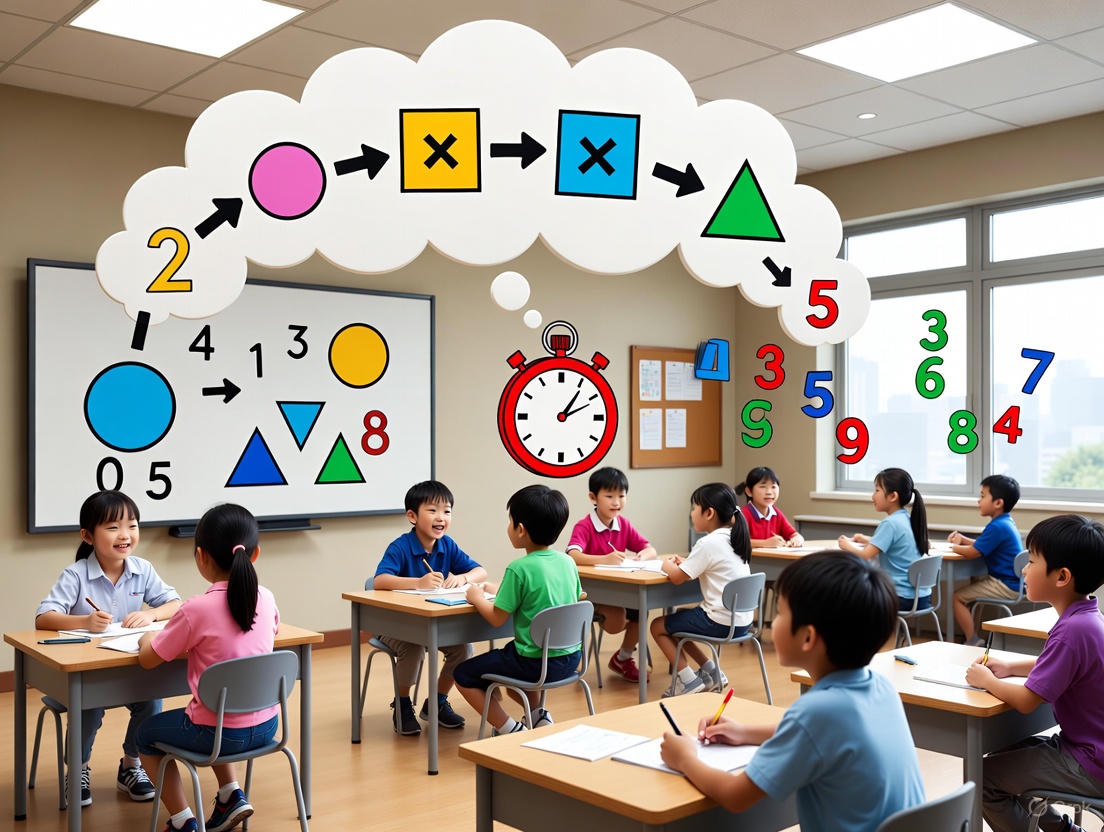
First Impressions Matter: When you visit, pay attention to the environment. Is it conducive to learning? Are the classrooms clean and well-equipped? Do the teachers seem enthusiastic and passionate about teaching?
Trial Class Time: Most tuition centres offer trial classes. This is a fantastic opportunity for your child to experience the teaching methodology firsthand. Observe how the teacher interacts with the students. Do they explain concepts clearly? Do they encourage questions and participation? Does the teacher use effective choosing a singapore primary 4 tuition centre tips or strategies to engage the students?
Talk to Other Parents: Don't be shy to strike up conversations with other parents who have kids attending the tuition centre. Ask them about their experiences and whether they feel the curriculum is aligned with the MOE syllabus.
Fun Fact: Tuition is a big industry in Singapore! Many parents believe that extra help is essential to give their children a competitive edge.
While syllabus alignment is crucial, also look for tuition centres that go beyond the basics. Do they offer enrichment activities, like math games or coding workshops, to make learning more engaging? Do they focus on developing critical thinking and problem-solving skills? Remember, the goal is not just to pass exams, but to nurture a love of learning and prepare your child for the challenges of the future.
History Snippet: Back in the day, tuition was often seen as a last resort for struggling students. But now, it's become so mainstream that even top students attend tuition to further enhance their skills!
So, there you have it! Chope (reserve) your child's spot at a tuition centre that not only aligns with the MOE syllabus but also inspires them to learn and grow. Good luck, and may your child score (achieve) well!
Right, parents, let's talk serious business. Your kiddo is in Primary 4, the make-or-break year before the big PSLE pressure cooker starts bubbling. And in Singapore, that means one thing: MATH. Not just any math, but the kind that sets them up for secondary school, JC, and even… gasp… their future career!
Why the drama? Because in this age of AI, understanding algorithms and data is key. The better your child's foundation in mathematics, the better equipped they will be to navigate the future. It's not just about acing exams; it’s about building a mind that can solve problems, think critically, and innovate. So, can or not, we need to get this right!
That's why choosing a Singapore primary 4 tuition centre is such a big deal. It's not just about finding someone to drill them on sums; it's about finding a teacher who can spark that love for learning and build a rock-solid foundation. And that starts with…
Look, anyone can claim to be a math whiz. But when it comes to your child's education, you want the real deal. Here's how to size up those teacher credentials:
Fun Fact: Did you know that Singapore consistently ranks among the top countries in the world for mathematics education? Our teachers are highly trained and dedicated to helping students succeed.
Okay, so the teacher has impressive qualifications. In the last few years, artificial intelligence has transformed the education field worldwide by enabling individualized learning journeys through adaptive systems that adapt material to unique student speeds and methods, while also automating assessment and administrative duties to free up instructors for deeper meaningful connections. Internationally, AI-driven tools are closing learning disparities in underserved regions, such as using chatbots for language learning in emerging regions or analytical insights to identify at-risk students in European countries and North America. As the adoption of AI education achieves momentum, Singapore stands out with its Smart Nation program, where AI tools boost program personalization and equitable education for multiple needs, including special education. This method not only enhances assessment outcomes and participation in domestic schools but also aligns with global initiatives to nurture enduring learning abilities, readying students for a technology-fueled marketplace in the midst of ethical concerns like privacy safeguarding and fair access.. But can they actually teach? Here's how to assess their pedagogical prowess:
Interesting Fact: The Singapore math curriculum is known for its emphasis on problem-solving skills and critical thinking. It's not just about memorizing formulas; it's about understanding the underlying concepts.
Don't just take their word for it. The best way to assess a tuition centre and its teachers is to see them in action.
History: Tuition has become an integral part of the Singapore education landscape over the years. As the competition for places in top schools has intensified, parents have increasingly turned to tuition to give their children an edge.
Ultimately, choosing a Singapore primary 4 tuition centre tips involves doing your homework, asking the right questions, and trusting your gut. Remember, you're not just looking for someone to help your child pass exams; you're looking for someone to inspire them to love learning and reach their full potential. Jia you (add oil), parents! You can do it!
Okay, lah, parents! So, you're on the hunt for a shiok Primary 4 tuition centre, eh? Good on you! Choosing a Singapore Primary 4 tuition centre isn’t just about finding a place with air-con and chairs, it’s about setting your kiddo up for future success, especially in the kiasu world of Singapore education. Remember, a strong foundation in Primary 4 math (and other subjects, of course!) is like building a solid base for a skyscraper – the taller they go, the stronger that base needs to be! And with AI breathing down our necks, mathematical thinking is more important than ever. No bluff!
The best way to know if a tuition centre's teaching style (or methodology, as the academics say) actually works is to ask around. Think of it as market research for your child's education!
Talk to the Talkers: Seek out current or former students and their parents. Ask them about their real experiences. In this Southeast Asian hub's high-stakes education structure, where academic excellence is essential, tuition usually pertains to supplementary supplementary sessions that offer focused support in addition to institutional programs, helping learners master disciplines and gear up for significant exams like PSLE, O-Levels, and A-Levels during intense competition. This private education sector has developed into a multi-billion-dollar business, fueled by families' commitments in customized instruction to bridge skill gaps and improve performance, even if it often adds stress on adolescent students. As AI surfaces as a game-changer, delving into advanced online tuition Singapore solutions shows how AI-driven tools are customizing learning processes internationally, offering responsive coaching that outperforms traditional practices in efficiency and involvement while tackling worldwide academic inequalities. In the city-state specifically, AI is disrupting the traditional private tutoring system by enabling cost-effective , on-demand tools that correspond with countrywide curricula, likely reducing costs for households and enhancing outcomes through analytics-based insights, while moral considerations like excessive dependence on technology are debated.. Don't just rely on the shiny brochures and perfect website testimonials. Dig deep:
Online Sleuthing: Check online forums and review sites (like KiasuParents.com, for example). But remember, take everything with a pinch of salt! Some reviews might be biased, kancheong (anxious) parents, or even planted by the tuition centre itself. Look for patterns and consistent feedback.
The Power of Networking: Chat with your friends, neighbours, and colleagues who have kids in Primary 4. Word-of-mouth recommendations can be super valuable.
Fun Fact: Did you know that Singapore consistently ranks highly in international math assessments like TIMSS and PISA? That's because we take our math very seriously!
Once you've gathered your feedback, it's time to put on your thinking cap and weigh the pros and cons. This is where you need to consider your child's specific needs and learning style.
Interesting Fact: The Singapore education system has evolved significantly since independence. From a focus on basic literacy and numeracy, it has transformed into a system that emphasizes critical thinking, creativity, and innovation.
This is the atas (high-class) version of "try before you buy"!
Ask Questions: Don't be afraid to ask questions! Clarify any doubts you have about the teaching methods, curriculum, or fees.
Ultimately, the decision of choosing a Singapore Primary 4 tuition centre is a personal one. There's no one-size-fits-all answer. Consider all the factors, weigh the pros and cons, and choose the option that you believe will best support your child's learning journey.
Remember, bo jio (no invitation) is not an option when it comes to your child's education! Get involved, do your research, and make an informed decision. Your child will thank you for it in the long run! And who knows, maybe they'll even become a future mathematician or AI expert!